Some posts on CatchUpWithClaire may contain affiliate links. Affiliate links means that sometimes if you click through to a website and register or purchase something I have recommended, I may get a commission from that sale at no extra cost to you. Thank you for your support
Sunburn is a common skin condition caused by overexposure to ultraviolet (UV) radiation from the sun or artificial sources like tanning beds. In ideal situations, sunburn prevention is better than sunburn treatment but let’s look at how to treat sunburn in this article.
It manifests as redness, pain, inflammation, and sometimes blisters on the affected areas. While prevention is crucial, sunburns can still occur despite precautionary measures.
This article explores various medical approaches for treating sunburn, focusing on evidence-based interventions and their effectiveness in alleviating symptoms and promoting skin healing. Excessive sun exposure can have more severe consequences than sunburn so it is always best to be conscious of the time you spend in the sun.
How To Treat Sunburn

Assessing the Severity of Sunburn
Before initiating sunburn treatment, it is essential to assess the severity of sunburn to know what to choose.
Sunburn severity is typically classified into three categories: mild, moderate, and severe. It is based on the extent of skin involvement, pain levels, and the presence of additional symptoms like blisters, fever, or dizziness.
When your skin becomes burnt by the UV rays it becomes hard to reverse the damage caused by sunburnt skin.

General Recommendations for Sunburn Care
Cooling the Skin: Applying cool compresses, taking cool baths, or using cold, damp towels can help reduce pain and inflammation associated with sunburn.
Avoid using ice directly on the skin to prevent further damage.
Hydration: Sunburn can deplete the body’s water content, so it is vital to drink plenty of fluids to maintain hydration and compensate for the fluid loss.
Over-the-Counter (OTC) Pain Relief: Nonsteroidal anti-inflammatory drugs (NSAIDs) like ibuprofen or naproxen can help alleviate pain and reduce inflammation associated with sunburn.
Follow the recommended dosage and consult a healthcare professional if needed.
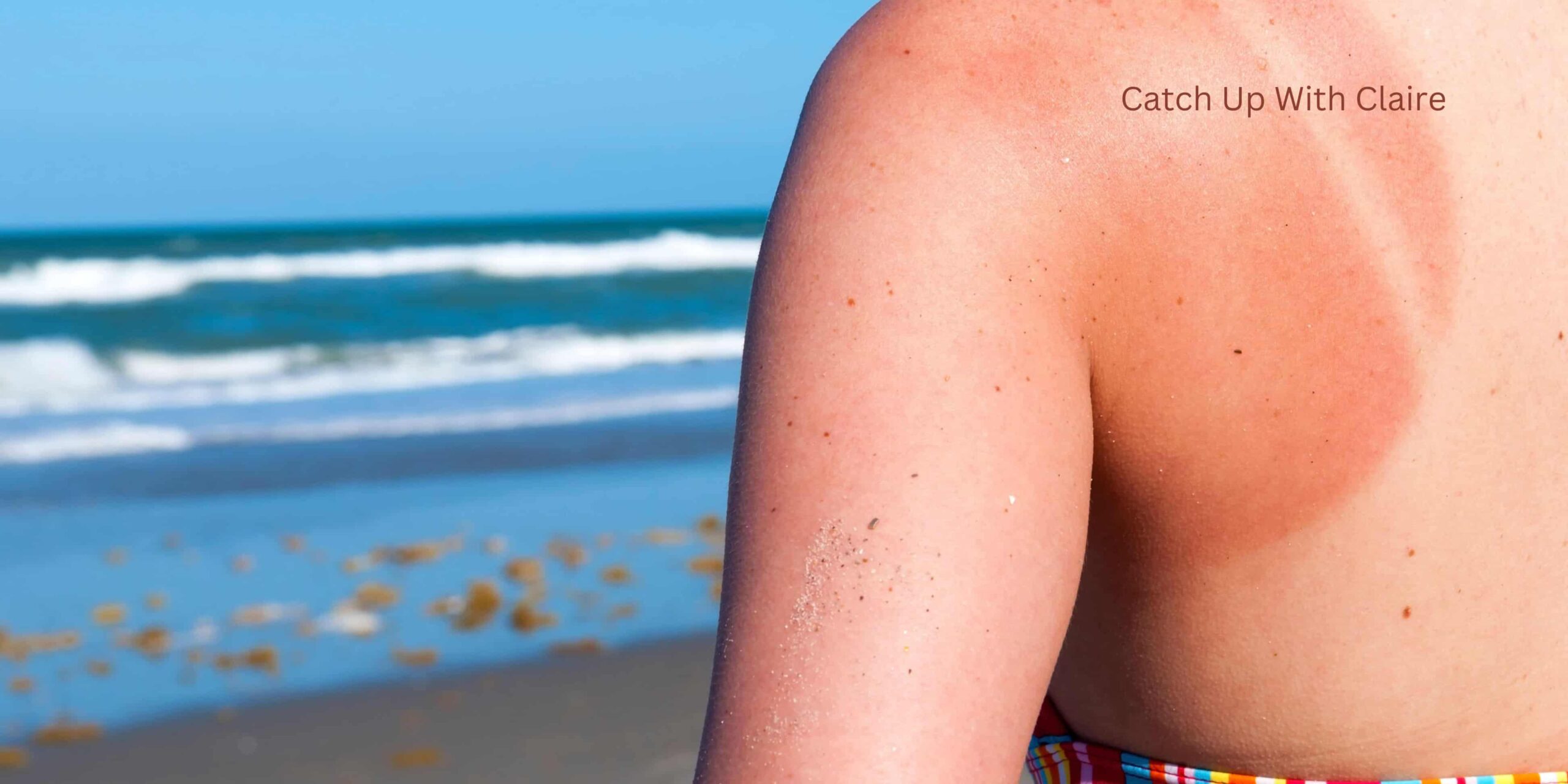
Topical Treatments for Sunburn
Moisturisers and Emollients: Applying moisturisers or emollients containing ingredients such as aloe vera, hyaluronic acid, or ceramides can provide relief, promote healing, and prevent skin dehydration.
Steroid Creams: For severe sunburns with significant inflammation, a short course of topical corticosteroid creams or ointments may be prescribed by a healthcare professional to reduce inflammation and discomfort. However, these should be used cautiously and under medical supervision due to potential side effects.

Advanced Medical Interventions for Severe Sunburns
- Prescription Medications: In cases of severe pain, inflammation, or blistering, healthcare professionals may prescribe stronger pain relievers. For example: opioids or prescription-strength NSAIDs, for a limited duration.
- Topical Antibiotics: If the sunburn blisters or breaks, it can increase the risk of infection. In such cases, topical antibiotics may be prescribed to prevent or treat secondary bacterial infections.
- Hydrocortisone Cream: For specific cases, low-dose hydrocortisone cream may be recommended to relieve itching and reduce inflammation.
- Oral Steroids: In rare instances where sunburn is severe and systemic symptoms like fever, nausea, or dizziness are present, oral corticosteroids may be prescribed to reduce inflammation and manage symptoms. This treatment is generally reserved for severe cases and requires close medical supervision due to potential side effects.

Special Considerations
- Pediatric Patients: Sunburn management in children may require extra caution, and healthcare professionals should be consulted for appropriate treatment options.
- Photosensitivity Reactions: Certain medications and medical conditions can make individuals more susceptible to sunburn or photosensitivity reactions. In such cases, a healthcare professional should be consulted to determine the best course of treatment.
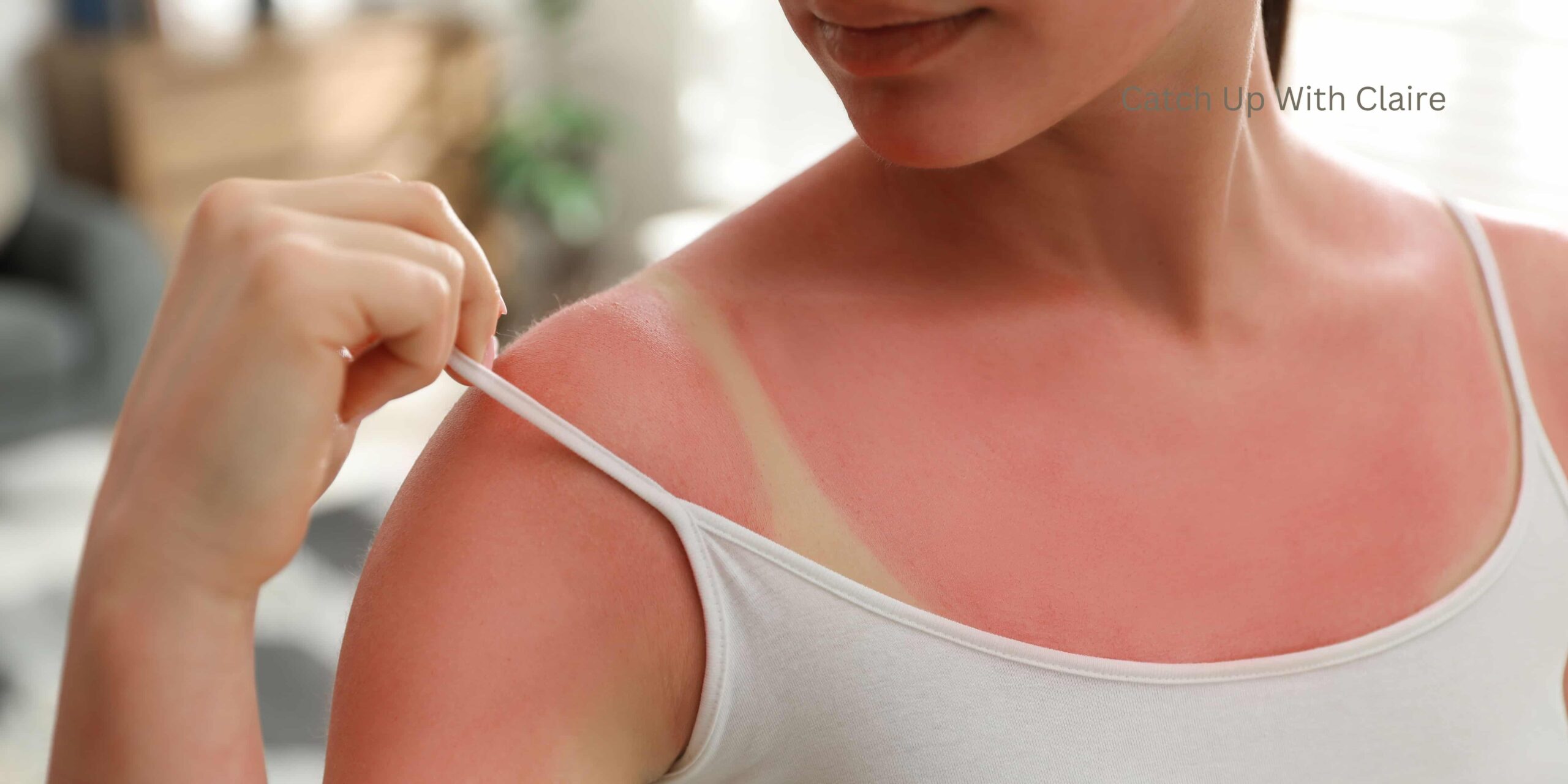
How to treat sunburn from a medical perspective involves assessing the severity of the burn and tailoring treatment accordingly.
General recommendations include cooling the skin, maintaining hydration, and using OTC pain relief. Topical treatments like moisturizers and emollients, as well as steroid creams in severe cases, can alleviate symptoms and promote healing.
In more severe cases, advanced medical interventions such as prescription medications, topical antibiotics, or oral steroids may be required.
It is important to remember that prevention is the best approach. You can still dress stylishly on a hot day and keep cool without exposing too much skin. The skin that you have exposed should be always covered in a layer of SPF sunscreen. Individuals should take appropriate measures to protect their skin from excessive sun exposure to avoid sunburn altogether. The young and the vulnerable should always take extra measures when protecting themselves from the sun.
