Some posts on CatchUpWithClaire may contain affiliate links. Affiliate links means that sometimes if you click through to a website and register or purchase something I have recommended, I may get a commission from that sale at no extra cost to you. Thank you for your support
Here is some helpful advice for managing hay fever if you are experiencing hay fever symptoms.
Whether we like it or not allergies exist. Hay fever is one of the most common allergies that live among us.
Hay fever sufferers tend to react most to it from March through to September. This is a seasonal allergy, so the weather will impact the condition.
Help manage hay fever
What is hay fever?
Seasonal allergic rhinitis is the medical term for what is commonly known as hay fever. It is something you can be born with or develop later in life. There is the possibility of growing out of it later in life, it doesn’t necessarily mean you will have it forever
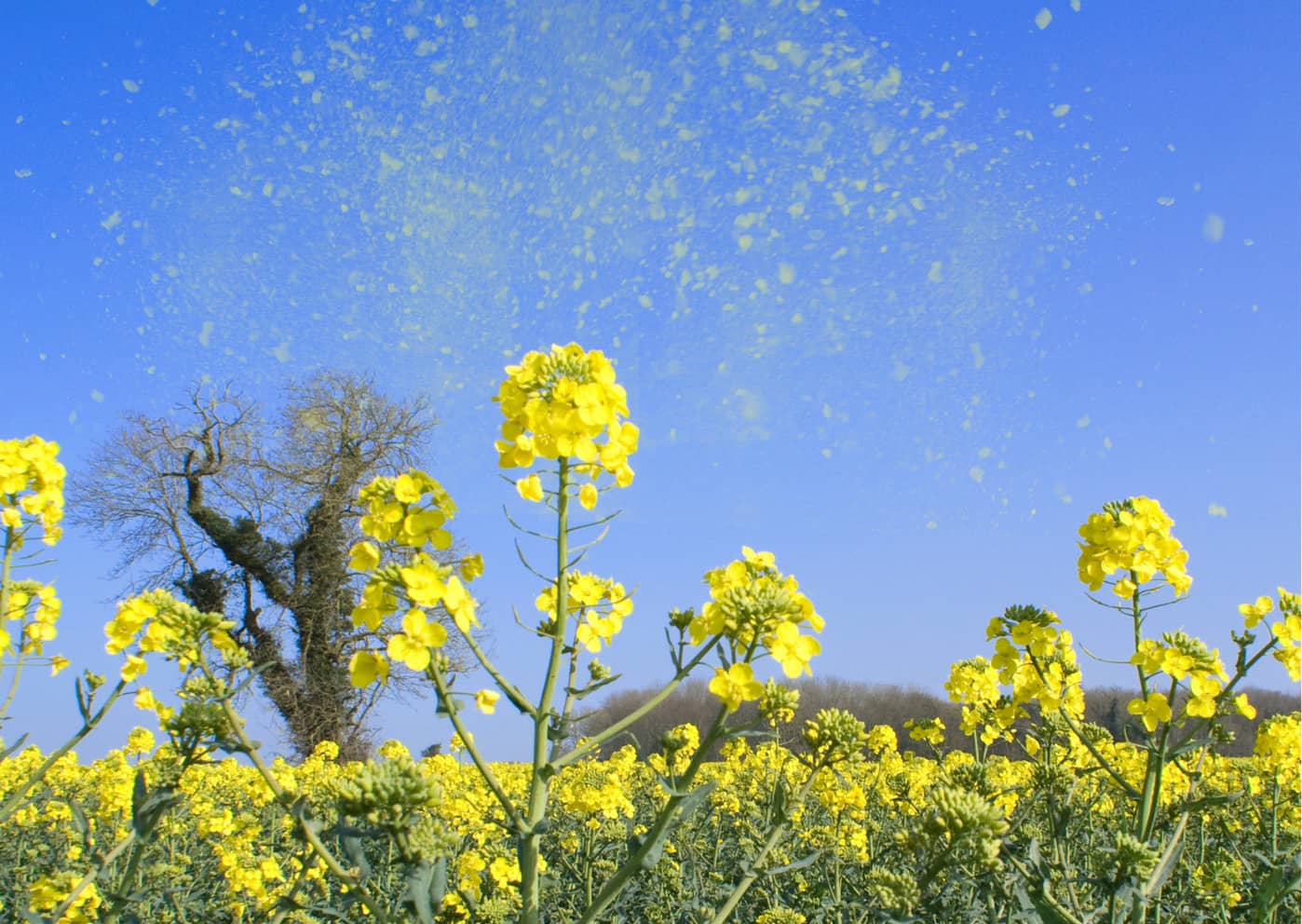
Hay fever is an allergy to pollen. There is more than 1 type of pollen, there is grass, tree and weed pollen. You could well be allergic to just 1 or all of them, everyone is different. Each pollen is released at different times of the year throughout the spring and summer months
The symptoms typically consist of sneezing, running nose and watery eyes. More extreme sufferers could also have dizziness, loss of smell, headaches and shortness of breath. How your body copes with allergens differ from person to person.

How to manage hay fever
Sadly, there isn’t a cure but there are ways of managing the effects of hay fever.
The direct medical step you could take involves taking an anti-histamine tablet daily. For those days when there is an expected high pollen count, starting your day with a non-drowsy allergy relief tablet like Piriton, might be the answer for you. I know not everyone likes to take tablets daily to control their tolerance but it is probably the most effective step.
If you would rather have a longer-term solution there is a hay fever injection called Kenalog. This hay fever jab is something you would need to get privately rather than through services like the NHS in the UK. It does come with some risks and potential side effects so always make sure you do research into whether you think it’s suitable for you.

Stop pollen affecting you
There are also other ways to try and prevent the pollen from affecting you.
Wear sunglasses when you go outside, this will stop some of the pollen from getting into your eyes. Wrap-around sunglasses offer better protection.
Keep windows and doors shut when at home. This will create a barrier so the pollen will be unable to get inside and settle on your furniture.
Do not dry your washing outside when there are forecasted high pollen days.
Use a nasal balm to create a barrier stopping the pollen particles from going up your nose.
Immediately change your clothes, shower and wash your hair when coming in from outside where possible. The pollen will stay on you causing more irritation the longer it’s on you.
Vacuum your home frequently to trap and dispose of as much bought-in pollen as possible.
Try following the anti-hay fever diet for the high pollen weeks.

Diet adjustment around hay fever time
Specific food types have direct effects on our bodies.
Dairy products cause us to produce more mucus in our bodies, especially our mouths and noses. Eliminating dairy from your diet could give the pollen less to stick to when you are breathing outside.
Eat more garlic and onions. Both of these foods help to naturally reduce histamine levels, as they block the receptors that allow the immune system to react to allergens, in this case, pollen. This is a useful tip for all allergies, not just hay fever.
Eat more immune-boosting foods, such as blueberries and broccoli. These will help make your natural defences stronger from within.
As always stay hydrated. Drink more water during the summer months and hay fever season.
Where possible it is always advisable to check the expected pollen count for the days ahead so you can plan. Always make sure you have soft touch tissues to hand and dispose of them appropriately after use.
Always keep yourself and the area around you clean and as pollen-free as possible to help with managing hay fever symptons.
If you found this post helpful, you can pin it 

