Some posts on CatchUpWithClaire may contain affiliate links. Affiliate links means that sometimes if you click through to a website and register or purchase something I have recommended, I may get a commission from that sale at no extra cost to you. Thank you for your support
Finding time to relax after a long day at work can be challenging. The constant hustle, tight schedules, and ever-increasing demands can leave us feeling drained and stressed. However, taking time to unwind and relax after work is essential for our mental and physical well-being.
In this guide, we will explore practical ways to help you relax after work. These ways will allow you to recharge and face the next day with renewed energy.
Table of Contents
ToggleHow To Relax After Work

Create a Relaxing Environment
Creating a relaxing environment at home is the first step towards achieving a serene state of mind. Your surroundings significantly impact how well you can relax. Start by decluttering your space; a tidy home can help reduce stress. Spending just a few minutes each day organizing your surroundings can make a big difference. Soft lighting also plays a crucial role in creating a calming atmosphere. Replace harsh overhead lights with soft, warm ones. Candles or string lights can add a cosy touch. Ensuring that your furniture is comfortable and inviting is also essential; a plush chair or a cosy couch can make your living space more relaxing. Additionally, incorporating aromatherapy into your routine can enhance relaxation. Use essential oils or scented candles with calming scents like lavender, chamomile, or sandalwood to create a serene environment.
Unplug from Technology
Unplugging from technology is another effective way to unwind after a long day. Constant notifications and screen time contribute to stress and make it difficult to relax. Set aside time each evening to disconnect from your devices. Turn off your phone, computer, and TV at least an hour before bed. Instead of scrolling through social media, consider reading a book or listening to an audiobook. Choose something light and enjoyable to help your mind transition from work mode to relaxation. Limiting your news consumption is also beneficial; constant exposure to the news can be stressful, so try to limit it, especially in the evening.
Practice Mindfulness and Meditation
Practising mindfulness and meditation can significantly reduce stress and help you relax. Spend 10-15 minutes each day meditating, focusing on your breathing, and clearing your mind. Many apps and online resources can guide you through meditation practices. Mindful breathing exercises are also helpful; practice deep breathing by inhaling deeply for a count of four, holding for four, and exhaling for four. Another technique is the body scan meditation, where you focus on relaxing each part of your body, starting from your toes and working your way up to your head.
Engage in Physical
ActivityEngaging in physical activity is an excellent way to relieve stress and improve your mood. Going for a walk, especially in nature, can be particularly soothing. If you prefer a more structured form of exercise, practising yoga can help stretch your muscles and calm your mind. There are many online classes available for all skill levels. Alternatively, if you enjoy more intense exercise, try a home workout routine. It can be as simple as a 20-minute session of bodyweight exercises.
Enjoy a Relaxing Hobby
Engaging in a hobby can be a great way to unwind and take your mind off work. Try creative activities like drawing, painting, knitting, or playing a musical instrument. These can be very therapeutic. Cooking or baking can also be relaxing and rewarding experiences. Preparing a meal or baking treats allows you to focus on the task at hand and enjoy the fruits of your labour. Spending time in your garden or with houseplants can have a calming effect as well.
Practice Self-Care
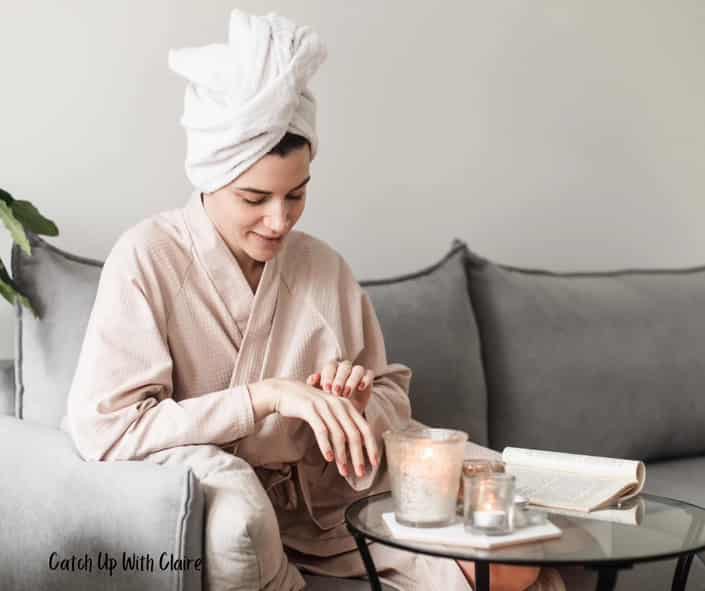
Taking care of yourself is crucial for relaxation. One way to pamper yourself is by taking a warm bath to soothe tired muscles and relax your mind. Adding bath salts or essential oils can provide an extra touch of luxury. Another self-care practice is a skincare routine. Use your favourite products and take your time to enjoy the process. Ensuring you get enough sleep is also vital; aim for 7-9 hours each night and create a bedtime routine to help you wind down and improve your sleep quality. Some people also find that using a vape from Vape Town can help them relax after a long day, especially if it’s something smooth and subtle.
Socialise and Connect
Spending time with loved ones can help you relax and boost your mood. Whether it’s having dinner together or playing a board game, quality time with family or friends can be very relaxing. If you’re feeling stressed, talking to someone you trust can be very therapeutic. Sharing your thoughts and feelings can help alleviate stress. Engaging in social activities, such as joining a club or attending a local event, can provide a sense of belonging and relaxation.
Plan for Tomorrow
Sometimes, the best way to relax is to feel prepared for the next day. Creating a to-do list can help clear your mind and reduce anxiety about the following day’s workload. Laying out your clothes for the next day can make your morning routine smoother and less stressful. If you bring lunch to work, preparing it the night before can save you time and reduce stress in the morning.
Listen to Music or a Podcast
Music and podcasts can be very soothing. Listening to calming music, such as classical, jazz, or ambient sounds, can help you unwind. Creating a relaxing playlist tailored to your taste can be an effective way to relax. Alternatively, choose a podcast on a topic that interests you. Whether it’s a storytelling podcast or something educational, it can be a great way to relax and learn something new at the same time.
Practice Gratitude
Focusing on positive aspects of your life can help shift your mindset and reduce stress. Keeping a gratitude journal, where you write down three things you’re grateful for each day, can help you focus on the positive aspects of your life. Spending a few minutes reflecting on the good things that happened during your day can boost your mood and help you relax.

Relax After Work
Relaxing after work is essential for maintaining your mental and physical health. By creating a calming environment, unplugging from technology, practising mindfulness, engaging in physical activities, enjoying hobbies, practising self-care, socializing, planning for the next day, listening to music or podcasts, and practising gratitude, you can effectively unwind and recharge. Incorporate these tips into your daily routine to find the serenity and relaxation you deserve. Remember, taking time to relax isn’t a luxury – it’s a necessity.
