Some posts on CatchUpWithClaire may contain affiliate links. Affiliate links means that sometimes if you click through to a website and register or purchase something I have recommended, I may get a commission from that sale at no extra cost to you. Thank you for your support
Finding ways to relax and rejuvenate is essential for maintaining both physical and mental well-being. We are constantly bombarded with stressors, whether from work, family responsibilities, or the digital overload that seems to permeate every aspect of our lives. Amidst this whirlwind, it becomes crucial to carve out time for self-care and activities that promote our overall health. One of the most effective and enjoyable methods to achieve this is through regular massages. While many people view massage as a luxury or an occasional treat, integrating it into your routine can offer a multitude of health benefits.
Massage therapy has been practised for thousands of years and is rooted in various ancient cultures, from the Chinese and Egyptians to the Greeks and Romans. Over time, it has evolved and adapted, incorporating a range of techniques and styles to meet the diverse needs of individuals. Despite its long history, modern science is continually uncovering new benefits associated with regular massage, making it more relevant and valuable than ever before.
The therapeutic power of touch extends far beyond mere relaxation. It has profound effects on both the body and the mind, impacting everything from stress levels and pain perception to immune function and mental clarity. This holistic approach to health means that a regular massage session can address multiple aspects of well-being simultaneously, offering a comprehensive solution to the demands of modern life.
The Benefits Of Getting A Massage

Stress Relief and Relaxation
Reducing Cortisol Levels
One of the primary benefits of massage therapy is its ability to reduce stress and relieve tension headaches. Times of stress are a common issue that can lead to a host of health problems, including anxiety, depression, and cardiovascular diseases. Massage therapy helps in lowering cortisol levels, a stress hormone, and increases the levels of serotonin and dopamine, which are neurotransmitters that contribute to feelings of happiness and well-being.
Enhancing Sleep Quality
Chronic stress often leads to sleep disorders such as insomnia. Regular massage can promote better sleep by triggering the release of serotonin, which the body converts to melatonin, the sleep hormone. Improved sleep quality further aids in stress reduction and enhances overall health.
2. Pain Management
Alleviating Chronic Pain
For individuals suffering from chronic pain conditions such as arthritis, fibromyalgia, or lower back pain, regular massage can be a game-changer. Massage therapy helps in reducing pain by improving blood circulation, relaxing muscles, and releasing endorphins, which are natural painkillers.
Reducing Muscle Tension and Soreness
Athletes and physically active individuals often experience muscle soreness and tension. Massage therapy helps in breaking down adhesions in the muscles, improving flexibility, and speeding up recovery after intense physical activities. This makes it an essential tool for anyone involved in sports or regular exercise.
3. Boosting Immune Function
Enhancing Lymphatic Circulation
The lymphatic system plays a crucial role in maintaining the body’s immune function by removing toxins and waste products. Massage therapy stimulates lymphatic circulation, which helps in flushing out toxins and enhancing the body’s natural defense mechanisms.
Increasing White Blood Cell Count
Studies have shown that regular massage can increase the number of white blood cells, which are vital for fighting off infections and diseases. This boost in immune function can lead to fewer illnesses and a more resilient body.

Improving Cardiovascular Health
Lowering Blood Pressure
High blood pressure is a major risk factor for heart disease and stroke. Regular massage has been shown to lower both systolic and diastolic blood pressure, reducing the strain on the cardiovascular system and promoting heart health.
Enhancing Circulation
Massage therapy improves blood flow by relaxing the muscles and dilating the blood vessels. Better circulation ensures that oxygen and nutrients are efficiently delivered to the cells, promoting overall health and vitality.
5. Enhancing Mental Health
Reducing Anxiety and Depression
Mental health issues like anxiety and depression are prevalent in today’s society. Massage therapy offers a natural way to combat these conditions by reducing stress hormones and promoting the release of endorphins and serotonin. This helps in creating a sense of calm and well-being.
Improving Focus and Mental Clarity
Regular massage can also enhance cognitive function by reducing stress and promoting relaxation. This leads to improved focus, mental clarity, and better decision-making abilities, which are crucial in both personal and professional life.
6. Promoting Skin Health
Increasing Skin Hydration
Massage therapy can improve skin health by enhancing blood flow and promoting better hydration. The use of essential oils and moisturizing lotions during a massage also helps in keeping the skin soft, supple, and radiant.
Reducing Scars and Stretch Marks
Regular massage can aid in the healing of scar tissue and the reduction of stretch marks. By improving circulation and breaking down the fibrous tissue, massage helps in promoting smoother and healthier skin.
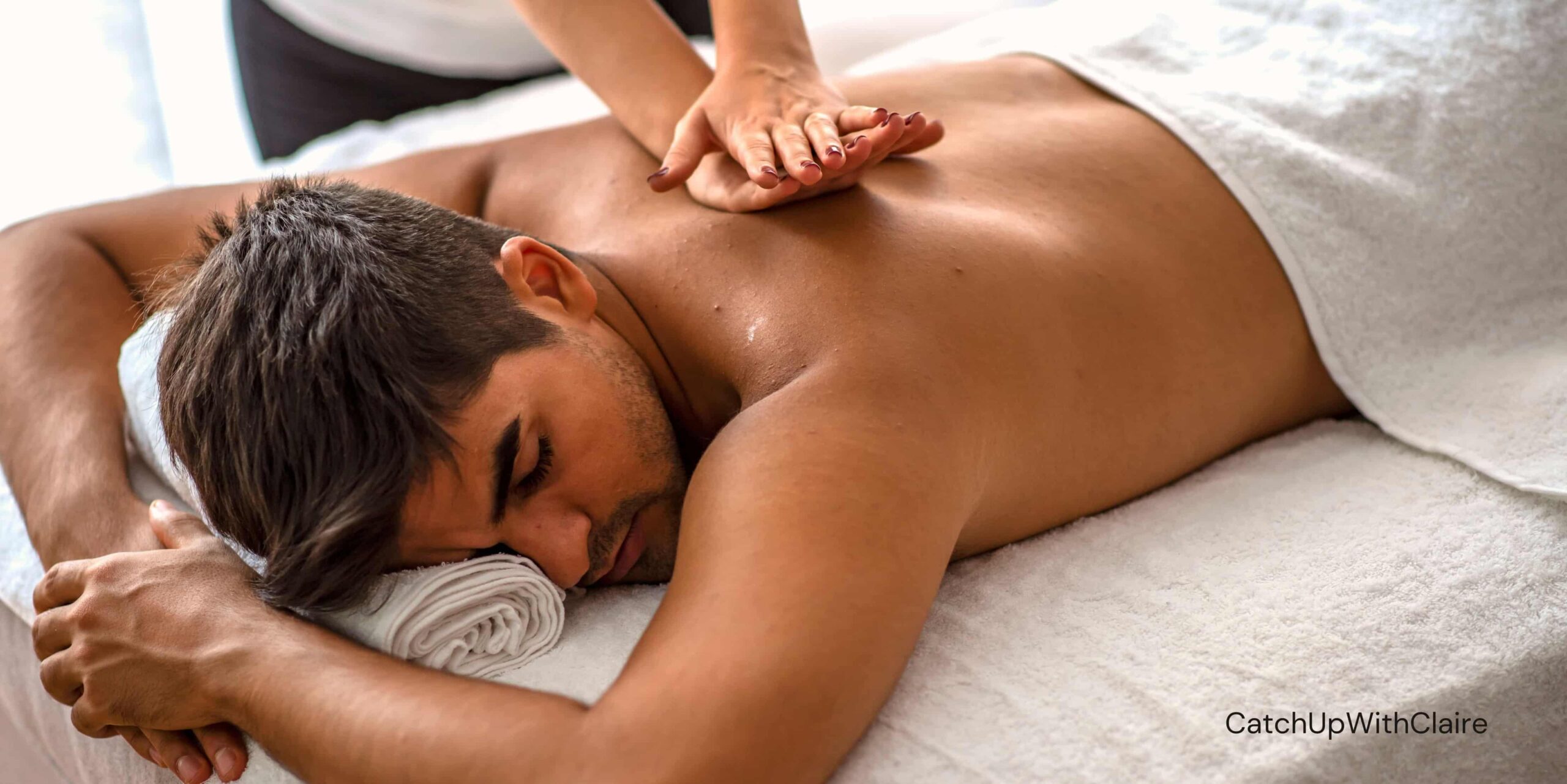
Enhancing Flexibility and Range of Motion
Improving Joint Mobility
For individuals with joint issues or stiffness, regular massage can improve joint mobility and flexibility. By working on the muscles, tendons, and ligaments surrounding the joints, massage therapy helps in enhancing range of motion and reducing discomfort.
Preventing Injuries
Athletes and active individuals can benefit from regular massage as it helps in keeping the muscles flexible and pliable. This reduces the risk of injuries by ensuring that the muscles and joints are functioning optimally.
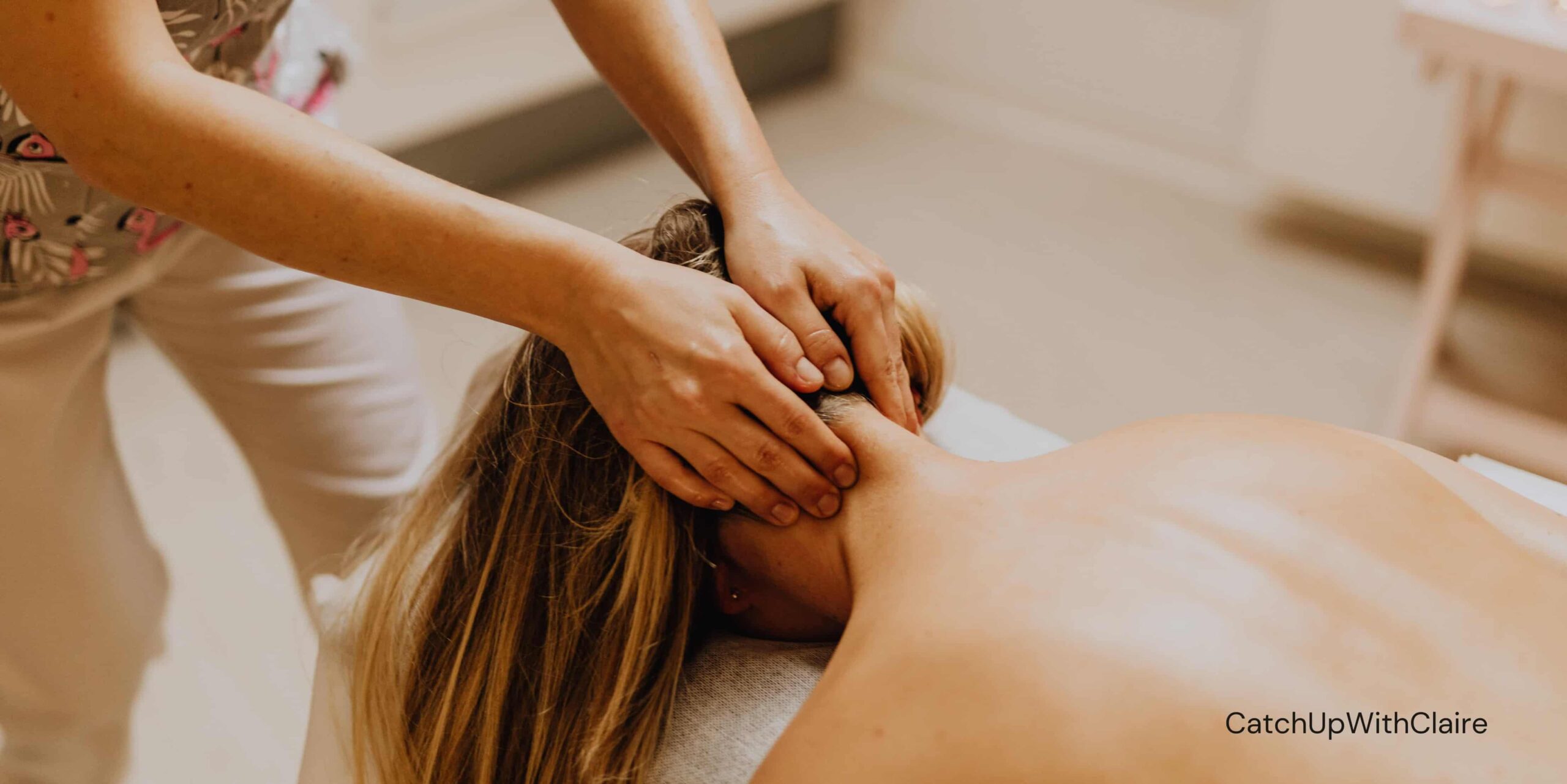
Supporting Digestive Health
Relieving Digestive Disorders
Massage therapy, especially abdominal massage, can help in relieving digestive disorders such as constipation, bloating, and indigestion. By stimulating the digestive organs and improving blood flow to the abdomen, massage promotes better digestion and bowel movements.
Enhancing Nutrient Absorption
Improved blood circulation and reduced stress levels contribute to better nutrient absorption in the body. This ensures that the body is getting the essential vitamins and minerals needed for optimal health.
9. Supporting Respiratory Health
Improving Lung Function
Regular massage can enhance respiratory function by relaxing the muscles involved in breathing, such as the diaphragm and intercostal muscles. This leads to better lung capacity and more efficient breathing.
Reducing Symptoms of Asthma and Bronchitis
For individuals with respiratory conditions like asthma or bronchitis, massage therapy can help in reducing symptoms by promoting relaxation and improving respiratory function. This makes breathing easier and more effective.
Promoting Overall Well-Being
Enhancing Quality of Life
By addressing both physical and mental health, regular massage therapy can significantly enhance the overall quality of life. Individuals who receive regular massages report feeling more relaxed, energized, and better able to cope with the challenges of daily life.
Creating a Sense of Connection
Human touch is a powerful tool for creating a sense of connection and emotional support. Regular massage provides a safe and nurturing environment where individuals can experience positive touch, which is essential for emotional and psychological well-being for people of all ages.

Choosing the Right Type of Massage
Swedish Massage
Swedish massage is one of the most popular and widely recognized forms of massage therapy. It involves long, flowing strokes, kneading, and circular movements on the topmost layers of muscles. Booking a swedish massage in Coral Springs, FL or other areas can promote better sleep and aid in pain management so don’t delay in getting this treatment. It is an excellent choice for relaxation and stress relief and would be seen as the traditional massage style.
Deep Tissue Massage
Deep-tissue massage targets the deeper layers of muscles and connective tissues. It is particularly beneficial for individuals with chronic pain, muscle injuries, or tension. The therapist uses slower strokes and more intense pressure to release deep-seated tension.
Sports Massage
Sports massage is designed for athletes and active individuals who might have tense muscles. It focuses on preventing and treating injuries, improving flexibility, and enhancing athletic performance. This type of massage often includes techniques such as stretching and trigger point therapy.
Thai Massage
Thai massage combines acupressure, stretching, and deep compression techniques. It is performed on a mat on the floor, and the therapist uses their hands, knees, legs, and feet to move the individual into various positions. This massage is excellent for improving flexibility and energy flow.
Aromatherapy Massage
Aromatherapy massage incorporates the use of essential oils to enhance the therapeutic effects of the massage. Different oils are chosen for their specific properties, such as lavender for relaxation or eucalyptus for respiratory health. This type of massage can provide both physical and emotional benefits and has a more gentle touch,
Hot Stone Massage
Hot stone massage involves the use of smooth, heated stones placed on specific points of the body. The heat from the stones helps to relax muscles and improve blood flow, providing a deeply soothing experience. This type of massage is ideal for individuals seeking deep relaxation and relief from muscle tension.
How to Make Massage a Regular Part of Your Routine
Finding a Qualified Therapist
The first step in making massage a regular part of your routine is finding a qualified and experienced massage therapist. Look for therapists who are certified and have positive reviews from clients. It’s important to feel comfortable and confident in the skills of your therapist.
Scheduling Regular Sessions
To experience the full benefits of massage therapy, consistency is key. Schedule regular 60-minute massage sessions, whether it’s weekly, bi-weekly, or monthly, depending on your needs and lifestyle. Regular appointments help in maintaining the cumulative health benefits of massage.
Combining Massage with Other Wellness Practices
Massage therapy can be even more effective when combined with other wellness practices such as regular exercise, a balanced diet, adequate sleep, and mindfulness practices like yoga or meditation. This holistic approach can significantly enhance your overall health and well-being.
Listening to Your Body
It’s important to listen to your body and communicate with your therapist about any specific needs or concerns. Everyone’s body is different, and what works for one person may not work for another. Tailoring the massage to your unique needs ensures the best possible outcomes.
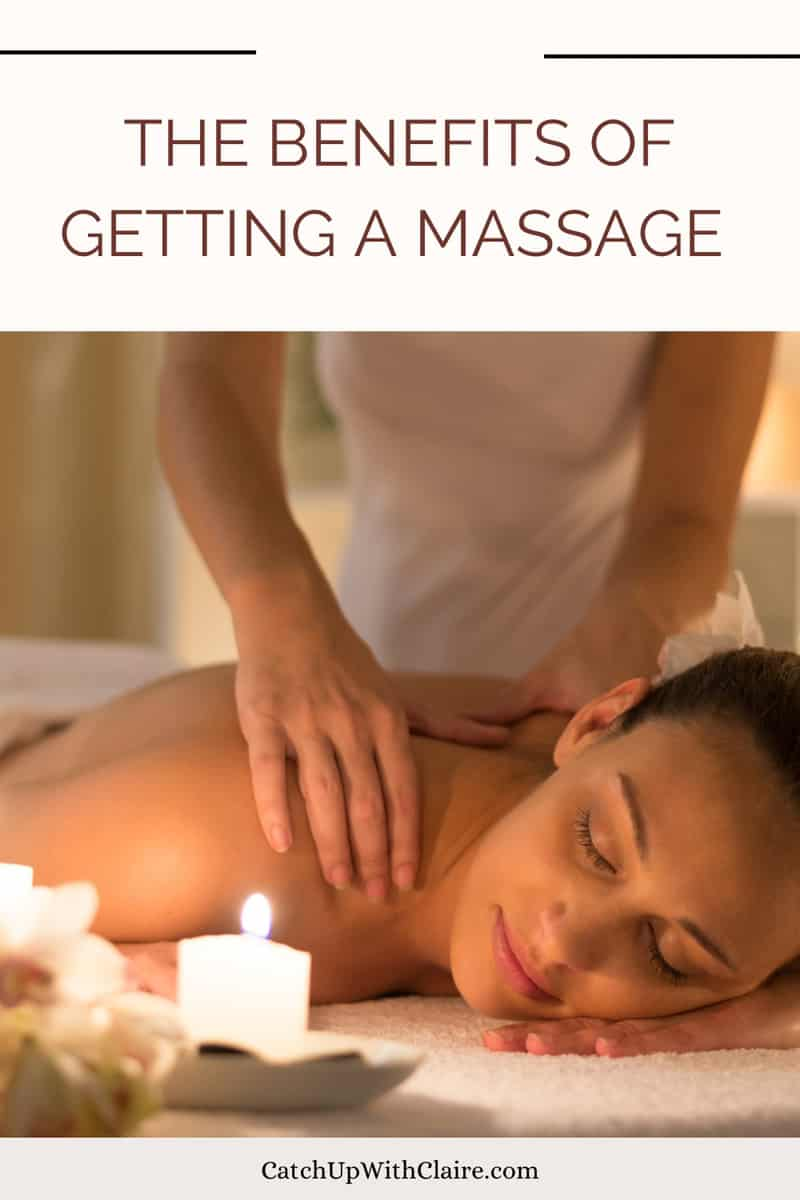
A Massage Is Good For You
Regular massage therapy offers a range of benefits, physical benefits and health benefits, from stress relief and pain management to improved immune function and mental clarity. By incorporating massage into your routine, you can enhance your physical, mental, and emotional well-being. Whether you’re looking to alleviate chronic back pain, reduce stress, improve your athletic performance, or simply relax and unwind, regular massage can be a powerful tool in your wellness arsenal.
So, take the step towards a healthier and more balanced life by experiencing different types of massage therapy. Your entire body, physical health and mind will thank you.
By understanding and appreciating the multitude of benefits that regular massage therapy can offer, you can make informed decisions about incorporating this practice into your lifestyle. Remember, self-care is not a luxury but a necessity, and massage therapy is a wonderful way to nurture yourself holistically.
