Some posts on CatchUpWithClaire may contain affiliate links. Affiliate links means that sometimes if you click through to a website and register or purchase something I have recommended, I may get a commission from that sale at no extra cost to you. Thank you for your support
Do you know your skin type? There are 5 commonly known skin types that are spoken about.
We will typically fit into one of those categories when we want to identify our own. Knowing this may also help you with slowing down the skin’s ageing process.
Most people can self-diagnose their skin type and therefore buy the best products for their individual needs. It is often best to buy your skin care products based on your specific type of skin to hopefully eliminate any adverse reactions or enlarged pores.
Especially makeup wearers who use foundation on their skin. It is a good idea to use the right type of foundation for your skin type.
What’s my skin type?
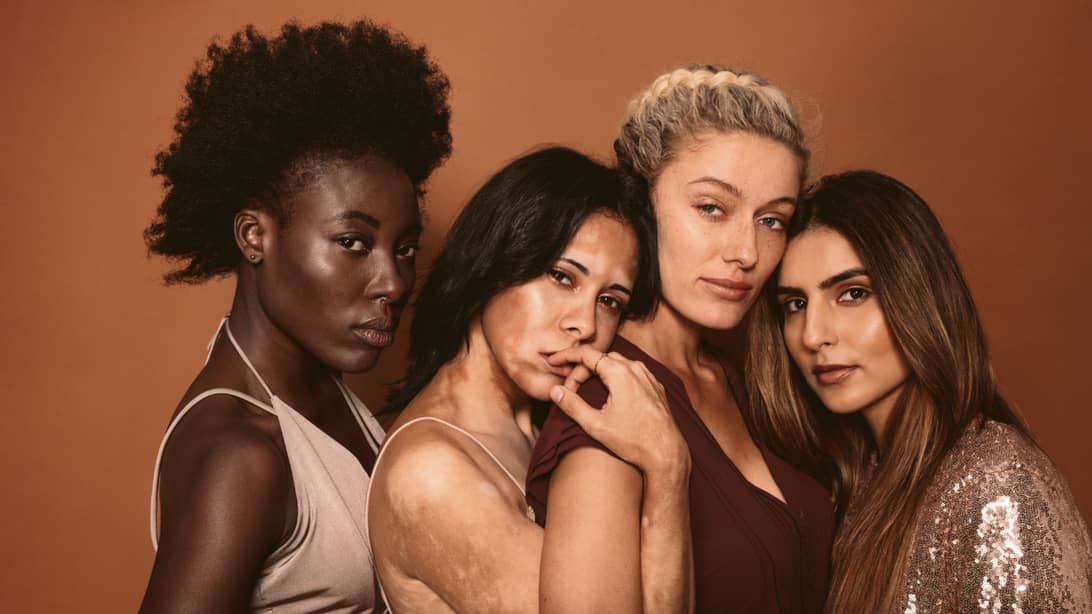
Normal skin type
I’m not overly keen on the term normal but this is how it has been known for years. But the labelling of ‘normal skin’ is the standard type of skin that the majority of people fall into.
It should probably be re-defined as well-balanced skin, as that is actually what it means.
You have good blood circulation and therefore a good complexion. On an average day be free from any pimples or spots. There are triggers which can bring on skin breakouts but this is not the general appearance of your skin.
Your pores are minimal and very small if visible and not feeling greasy or look shiny.
Your skin should be feeling hydrated and also have good elasticity. You do not require huge amounts of targeted products to keep it clean and clear on a day-to-day basis.
Oily skin type
All of our skin types need a certain amount of oil to keep them healthy. This oil is called sebum and it is made in the sebaceous glands, which are all over our bodies.
People with oily skin typically notice the greasy appearance of their T-zones. Our t-zone area is on our faces, the forehead, the nose and the chin.
You will notice these areas have enlarged pores in comparison to the rest of your face.
This skin type is more prone to breakouts as the enlarged pores collect dirt and bacteria. Over time if not cleansed with more specific cleansers will form spots, typically white and black-headed spots.
Dry skin type
The opposite of oily skin, where your sebaceous glands aren’t producing enough sebum.
Oily skin often feels tight and itchy which is a sign of your skin being dehydrated
The lack of sebum in your skin will leave your skin exposed to more pollutants in the air. You might notice redness and flakey skin patches where you haven’t got as much natural oil as a protective barrier.
Depending on the severity of the dryness there are prescriptive treatments available.
The medical term for dry skin is xerosis and this can be anywhere on your body, not just your face.
Combination skin type
This is a combination of both oily and dry skin
A lot of people who have oily t-zones can often have especially dry cheeks. This would be the perfect example of a combination skin.
You would cleanse them differently and use different moisturisers on each area of the skin.
Combination skin is quite possibly the most time-consuming skin when it comes to your skincare routine. You are ultimately doing your skincare in 2 separate ways on each part of your face.
Sensitive skin type
If you suffer from sensitive skin you are more likely to have skin concerns than most people.
Sensitive skin can flare up and have reactions to products and pollutants more so than other skin types. Someone could walk past you in a specific fragrance and your skin might react. Or you are not able to use mild home cleaning products due to them causing irritation.
In the heat and cold you get very red cheeks and nose due to the skin’s sensitivity in these areas. It can cause a very unpleasant burning or itching sensation when it reacts, making it quite uncomfortable.
Often sensitive skin can be on the hands and feet of people who have it on their faces.
Our skin changes as we age and lose collagen and this can cause a change in our skin type too. It is always wise to pay close attention to your skin and how it reacts on those makeup-free days.
When you skin is clean and clear from any products it will use its natural defences. If you see a change in how your skin is reacting it could be a good idea to change how you cleanse it too.
If you are struggling take a look at these 3 ways to achieve clearer skin, they could help.
Observing and understanding your skin is the key to practising a good skincare routine.
You can pin this image to refer to this post again later 

Image Source: Canva Pro
